Volvo FL Electric price, range and specs
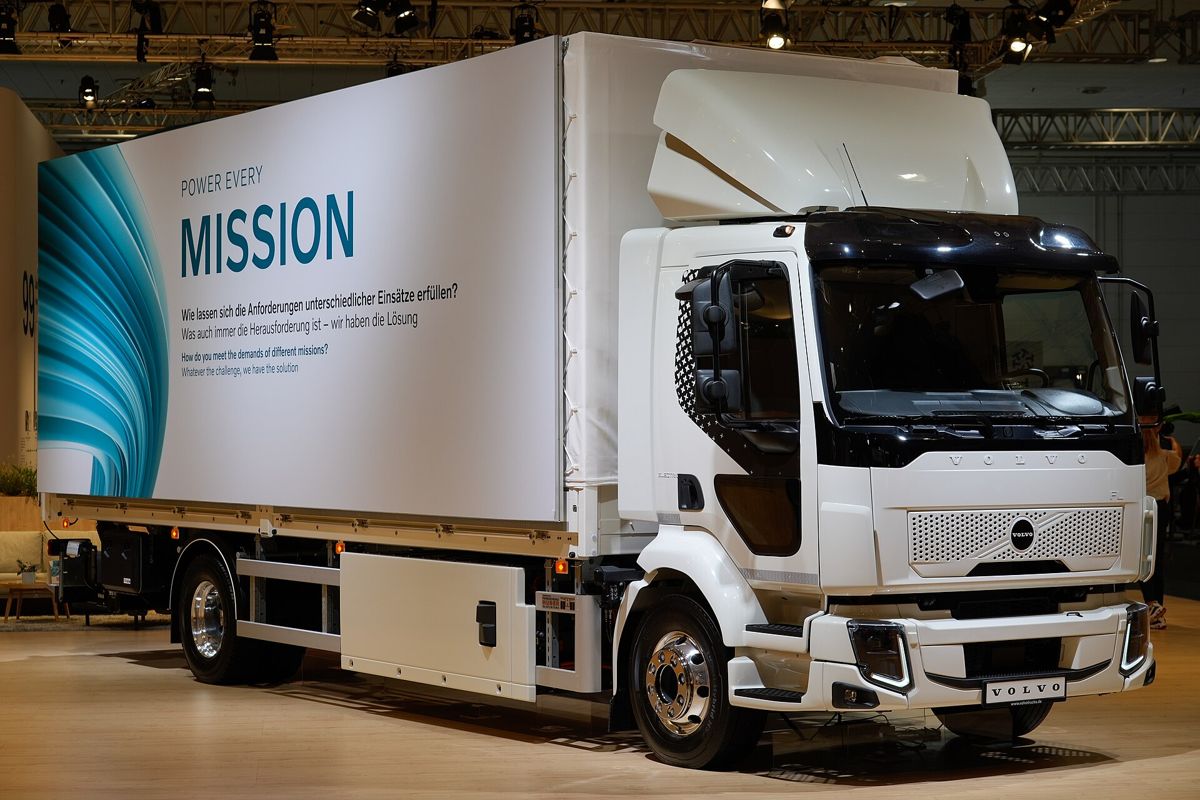
Volvo lists 280 to 375 kWh, with 3 to 4 batteries.
Specifications · 3 to 4 batteries
Figures marked Calculated or Estimate are worked out from the maker’s own figures.
Charging this vehicle
Real-world results
How Volvo FL Electric has performed for operators, newest first. Many figures come from operators or the maker and haven’t been checked independently.
- October 2024 - Sydney. Team Global Express runs 36 FL Electrics (with 24 Fuso eCanters) from its Bungarribee depot, mostly within 50 km of Sydney. It put total cost of ownership at more than double diesel, and had early charger faults. Source: Fleet Auto News.
More case studies: electric trucks in logistics.
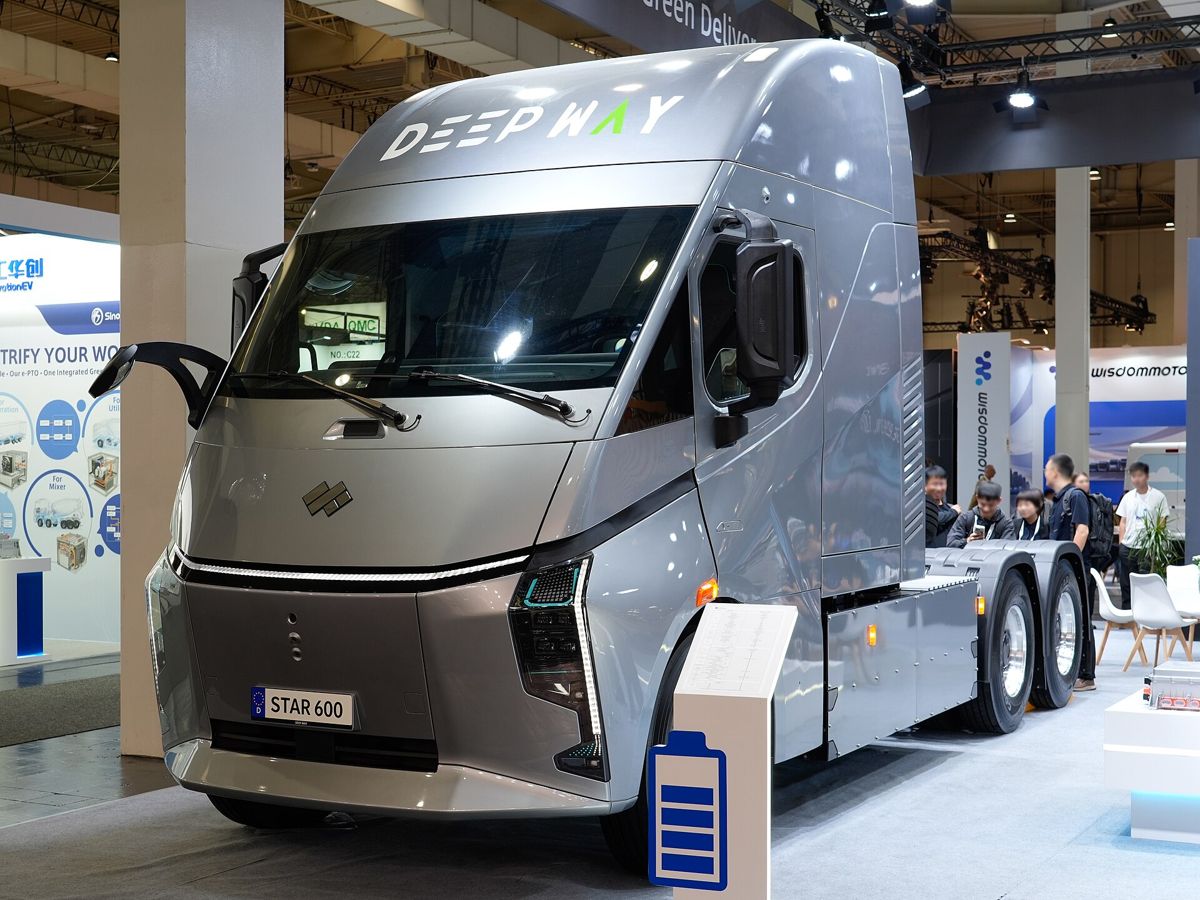
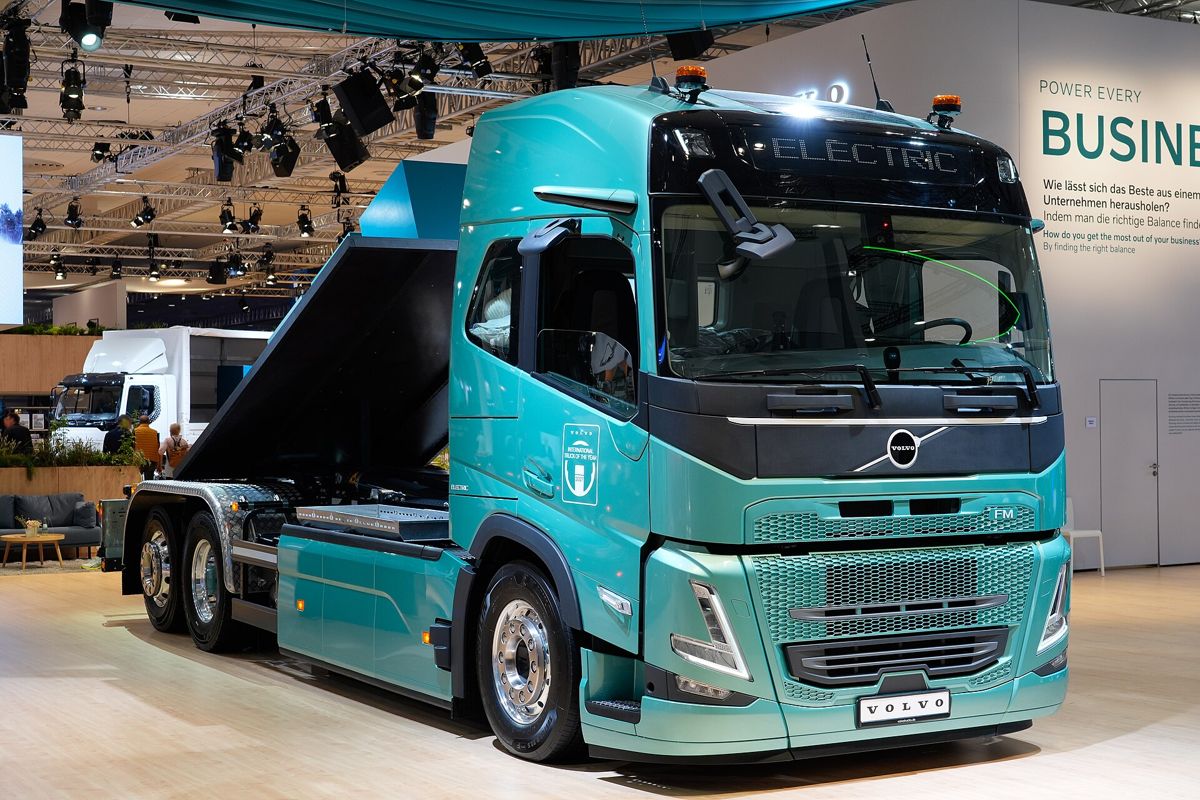
Similar trucks
Compare them side by side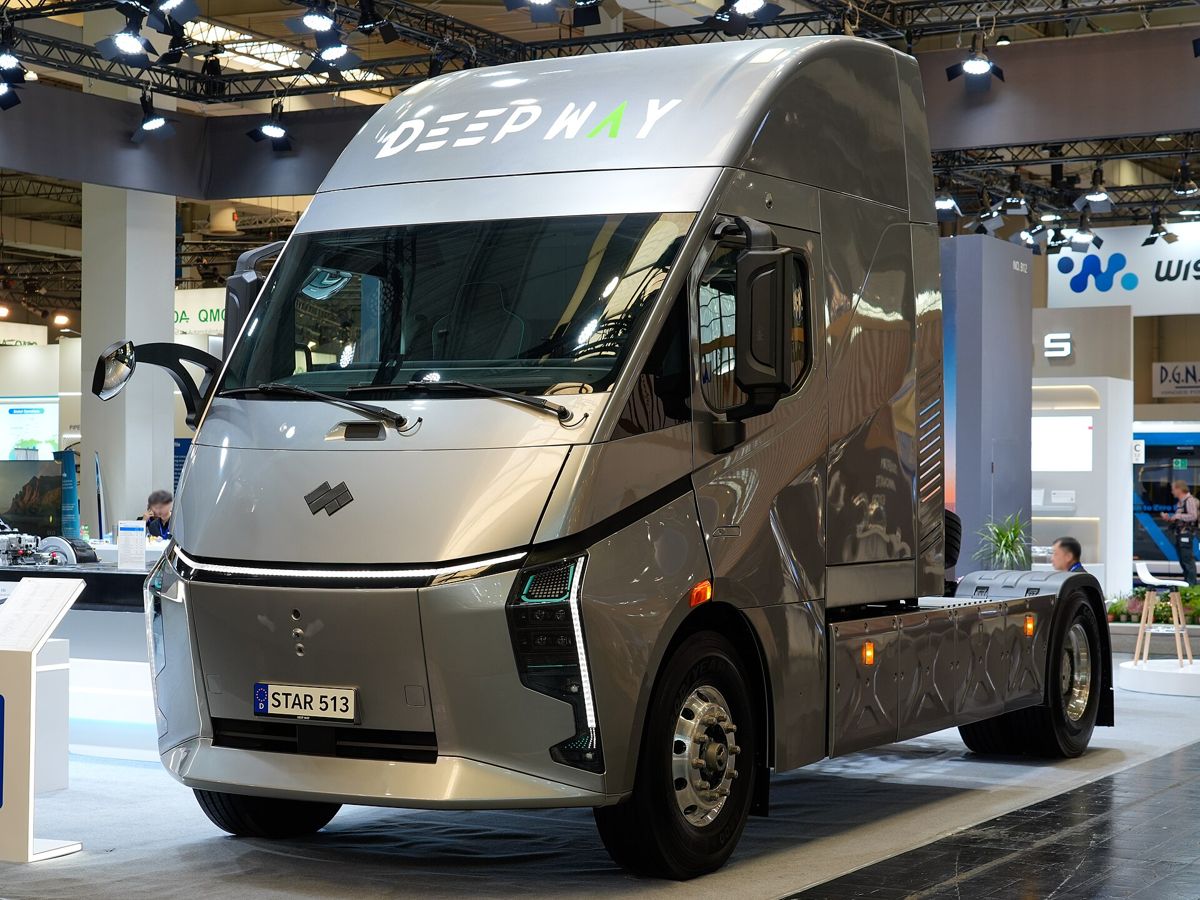

Common questions
How far can the Volvo FL Electric go?
Up to 450 km advertised (Up to, Volvo). Payload, speed and weather will reduce it.
How fast can it charge?
AC (home or depot charger): up to 22 kW. DC (fast charger): up to 150 kW. Work out the time for your day in the charging calculator.
What current does it need to charge at full speed?
Its full 22 kW needs a three-phase supply, drawing about 32 A per phase at 400 V. On single phase, most vehicles charge at up to 7.4 kW (32 A), and some at less. The charger needs its own circuit, so have a licensed electrician check your switchboard and supply first.